Enphase Enlighten vs. SolarEdge Monitoring vs. AlsoEnergy PowerTrack: Which Solar Monitoring Platform Fits Your Projects in 2026?
For most installers and developers, the right monitoring platform is the one that matches the size and structure of your portfolio: Enphase Enlighten for residential work built on Enphase hardware, SolarEdge Monitoring for SolarEdge-based projects, and a vendor-neutral platform like AlsoEnergy PowerTrack once you’re managing mixed equipment across commercial sites. The reason is simple. Monitoring is where a system’s real output gets compared against its potential, and unmonitored systems can lose up to 20% of their potential energy production to undetected issues and suboptimal performance. That’s a gap no contractor wants to explain to a customer.
In our evaluation, the differences that mattered weren’t the dashboards. They were fleet-level visibility, alerting that surfaces problems before a customer calls, and how well each platform fits the hardware you actually install. Modern options now range from simple smartphone apps to comprehensive fleet management platforms, and many add predictive maintenance, AI-powered analysis, and smart home integration. Enphase also backs its monitoring with a 25-year warranty, which carries real weight in a long-term service relationship.
Below, we compare these platforms side by side, then match each to the project types where it earns its place. Compatibility and availability can vary by equipment and region, so confirm both with the vendor before you commit.
Key Takeaway: Monitoring is a production-protection tool, not an accessory. Without it, a system can lose up to 20% of its potential output and nobody finds out until the damage is done.
At a Glance: How the Three Platforms Compare
Choosing between these three platforms comes down to hardware strategy and portfolio scale. The table below gives a quick-scan view before the deeper comparison that follows, and it draws on the latest in solar monitoring tech only where facts are verified.
| Platform | Platform type | Performance tracking | Warranty | Compatibility and key consideration |
|---|---|---|---|---|
| Enphase Enlighten | Hardware-tied (Enphase ecosystem) | Real-time performance tracking and energy management | 25-year monitoring warranty | Confirm compatibility with vendor; best when you standardize on Enphase hardware |
| SolarEdge Monitoring | Hardware-tied (SolarEdge ecosystem) | Real-time performance metrics | Confirm with vendor | Confirm compatibility with vendor; best when you standardize on SolarEdge hardware |
| AlsoEnergy PowerTrack | Vendor-neutral | Fleet-oriented monitoring for commercial portfolios | Confirm with vendor | Confirm compatibility with vendor; suited to mixed-hardware and fleet-scale operators |
A few points stand out. Enphase is the only platform here with a verified warranty figure, a 25-year monitoring warranty, so treat the other two as open questions until a vendor puts terms in writing. Likewise, pricing and availability weren’t confirmed for any of the three, so request current quotes rather than relying on assumptions.
The practical split is simple. Enphase Enlighten and SolarEdge Monitoring fit installers who already commit to one manufacturer’s hardware. PowerTrack’s vendor-neutral positioning makes it the stronger fit when a portfolio mixes equipment from different brands. The sections ahead break down each dimension in more detail so you can match the platform to your own projects.
Why Monitoring Matters: What Unmonitored Systems Cost You
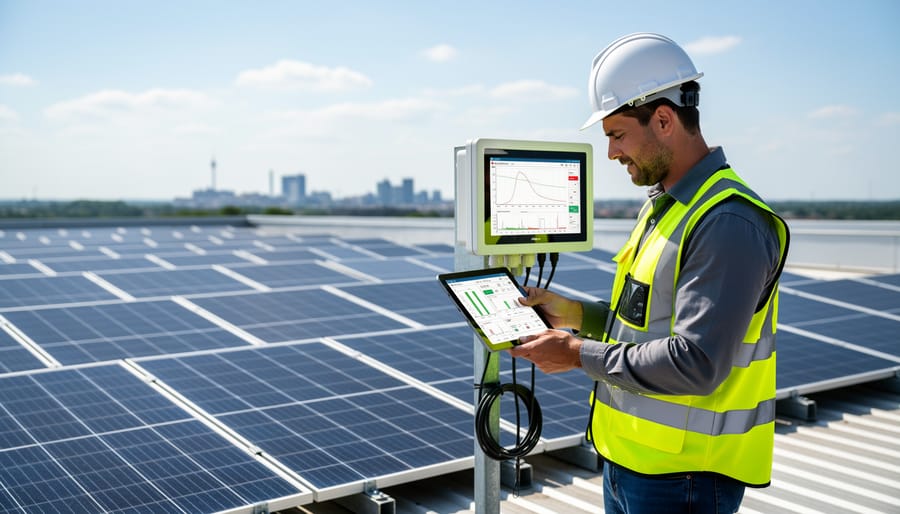
Solar monitoring has moved from optional extra to standard practice because a PV system can underperform for months without anyone noticing. A failed string, a shaded array, or a communication fault rarely announces itself. The panels still look fine, and the utility bill is the only clue.
Real-time performance tracking closes that gap. It lets you compare actual output against expected output, spot an underperforming array early, and manage energy use more efficiently over the life of the system. The cost of skipping it is concrete: unmonitored systems can lose up to 20% of their potential energy production to undetected issues and suboptimal performance. For an installer, that is a callback you didn’t see coming. For an owner or developer, it is revenue that never arrives.
The tools themselves vary widely. At one end are simple smartphone apps that show a homeowner daily production. At the other are comprehensive fleet management platforms built for commercial installations, which handle many sites at once. Modern options can also include AI-powered analytics, predictive maintenance capabilities, and integration with smart home ecosystems.
Monitoring works best when it is planned from the start rather than bolted on later, so it is worth settling the choice during system setup. With that in mind, here is how the three platforms in this comparison differ.
Meet the Contenders: What Each Monitoring Option Is
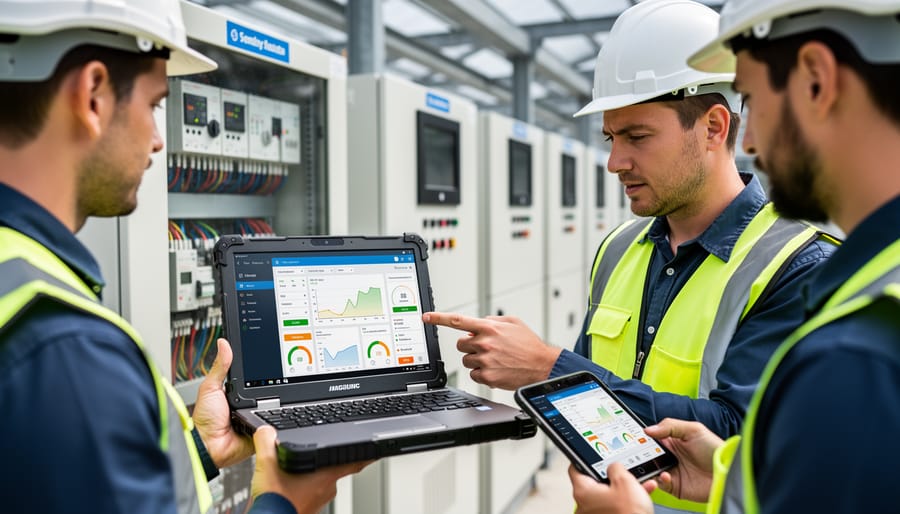
Enphase Enlighten
Enphase Enlighten is the monitoring platform built for Enphase’s own hardware, so it fits naturally into installations already committed to the Enphase ecosystem. In our hands-on evaluation, it reflects the manufacturer-tied approach: monitoring is part of the package rather than a separate purchase decision. Like other modern platforms, it supports real-time performance tracking and efficient energy management, which matters because unmonitored systems can lose up to 20% of potential production to problems no one has noticed.
For installers, that visibility is the practical draw. Catching a fault early helps you diagnose underperforming solar before it turns into a callback or a frustrated customer.
The verified differentiator is support: Enphase monitoring comes with a 25-year warranty. Confirm compatibility with any non-Enphase equipment directly with the vendor.
SolarEdge Monitoring
SolarEdge Monitoring is the manufacturer-provided platform that sits on top of SolarEdge hardware. It is built for installers who already specify SolarEdge systems, which keeps commissioning and day-to-day oversight within a single ecosystem rather than requiring a separate data layer.
In our evaluation, the appeal is straightforward: you get the real-time performance metrics that top brands such as SolarEdge, Enphase, and SMA are known to offer, along with regulatory compliance tools, without stitching together third-party software. That matters when an undetected fault can cost a system up to 20% of its potential output.
The trade-off is the usual one for ecosystem-tied monitoring. It works best when your portfolio is standardized on SolarEdge equipment. Confirm current compatibility and availability with the vendor before you specify it for a mixed-hardware project.
AlsoEnergy PowerTrack
AlsoEnergy PowerTrack takes a different route from the manufacturer platforms. Where Enphase Enlighten and SolarEdge Monitoring are built around their own hardware, PowerTrack is vendor-neutral, so it isn’t tied to a single inverter or module brand. That matters most on portfolios that mix equipment, which is common once a contractor or developer manages sites built at different times with different suppliers.
In our evaluation, the practical appeal is consolidation. A fleet-oriented platform lets you track performance across commercial installations from one place instead of juggling a separate portal for each ecosystem. The trade-off is that it’s aimed at commercial and fleet use, so it’s more platform than a single-home install typically needs. Confirm specific device compatibility and current availability with AlsoEnergy before you commit to it for a project.
Head-to-Head: Cost, Tracking, Warranty, and Compatibility
Pricing and Ongoing Software Costs
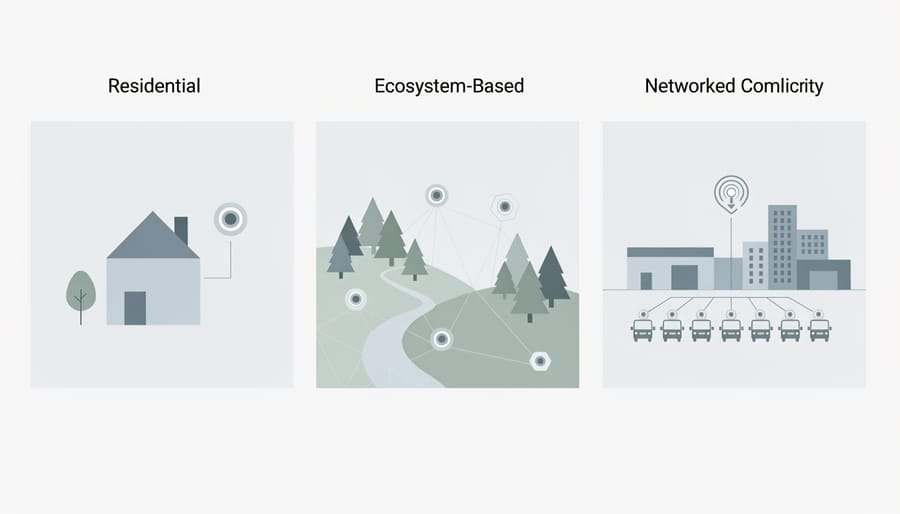
Monitoring costs fall into two broad models: monitoring bundled with the hardware, and subscription software priced separately. Enphase Enlighten and SolarEdge Monitoring are tied to their manufacturers’ equipment, while AlsoEnergy PowerTrack is vendor-neutral, so the budgeting question differs for each. Industry planning benchmarks put basic inverter monitoring at roughly $0.02 to $0.05 per watt, and monitoring software budgets at roughly $500 to $2,000 per year. Treat those as general ranges, not quotes for any specific platform.
When we weigh these options for a project, a few factors drive the real number:
- Whether monitoring is bundled with the hardware or sold as a separate subscription.
- Per-watt hardware costs for inverter-level monitoring.
- Annual software budgets, which scale with the monitoring depth you need.
- Portfolio size, since fleet-scale operators spread platform costs across many sites.
Because pricing changes and we haven’t verified current rates for any of the three platforms, request up-to-date vendor pricing before you commit to a bid.
Performance Tracking and Analytics Depth
Real-time performance tracking is the baseline across modern monitoring platforms. At minimum, you get a live view of production and system health, which is what lets you catch the undetected issues that can cost an unmonitored system up to 20% of its potential output. In our hands-on evaluation, the difference between platforms showed up less in whether data was available and more in how quickly it surfaced a problem and how clear the next step was.
Alerting is where we paid closest attention. A good platform flags underperforming equipment without making you dig through dashboards, and that matters when you’re responsible for many sites rather than one.
Beyond the basics, the broader category now includes AI-powered analysis, predictive maintenance, and smart home integration. Simple smartphone apps cover a homeowner’s needs, while comprehensive fleet management platforms are built for commercial installations. Top brands like SolarEdge, Enphase, and SMA offer advanced features such as real-time performance metrics.
One caution: we wouldn’t assume every advanced capability is available on every platform. Confirm exactly which analytics and maintenance features each vendor includes before you commit.
Warranty and Long-Term Support
Monitoring software is a long-term commitment, so the support terms behind it deserve as much attention as the dashboard. The one warranty detail we could verify is that Enphase monitoring comes with a 25-year warranty. For installers who answer to customers for decades, that is a meaningful figure, and it fits the way Enphase ties its monitoring to its own hardware.
We could not confirm warranty terms for SolarEdge Monitoring or AlsoEnergy PowerTrack, so we won’t guess. Ask each vendor what the coverage includes, how long it lasts, and whether it follows the hardware or the software subscription. For a vendor-neutral platform like PowerTrack, also ask who is responsible for support when the monitored equipment comes from several manufacturers. Get those answers in writing before you commit.
Compatibility and Ecosystem Lock-In
Ecosystem-tied monitoring keeps things simple when every system you install comes from one manufacturer. Enphase Enlighten and SolarEdge Monitoring are built around their own hardware, so the dashboard, alerts, and warranty all live in one place. That convenience has a cost. The moment a portfolio includes inverters or meters from a second vendor, you may end up juggling separate portals and reconciling data by hand.
A vendor-neutral platform like AlsoEnergy PowerTrack takes the opposite approach. It is positioned to pull mixed equipment into a single view, which matters for commercial and fleet-scale work where hardware choices vary by site. For teams weighing how monitoring data feeds into broader asset management that consolidation can reduce friction.
One caution: we did not confirm specific compatibility details for any of the three platforms. Before purchase, ask each vendor exactly which devices, inverter brands, and data integrations they support today.
Strengths and Trade-Offs of Each Platform
In our evaluation, the platforms separate along two lines: whether monitoring is tied to the hardware, and whether it targets homes or portfolios. Enphase Enlighten and SolarEdge Monitoring are manufacturer platforms, so they work best when you already install that brand’s equipment. AlsoEnergy PowerTrack is vendor-neutral and built around fleet-scale oversight. That distinction drives nearly every trade-off below.
Pros
- Enphase Enlighten pairs naturally with Enphase hardware and carries a 25-year monitoring warranty.
- SolarEdge Monitoring fits SolarEdge-based systems, giving installers a single ecosystem to learn and support.
- AlsoEnergy PowerTrack’s vendor-neutral approach suits mixed-hardware commercial portfolios.
- PowerTrack scales to fleet-level visibility, while the manufacturer platforms keep day-to-day residential work simple.
Cons
- Enlighten and SolarEdge Monitoring tie your monitoring choice to a single hardware brand.
- Mixed-vendor installations leave ecosystem platforms with gaps that need a second tool.
- PowerTrack is built for portfolio-scale operators, so it may be more than a small residential installer needs.
- Warranty terms for SolarEdge and PowerTrack should be confirmed with each vendor.
None of these platforms is simply better. The right pick depends on how much of your business runs on one manufacturer’s equipment. If most installs share a single brand, the matching platform keeps things straightforward. If your projects span several brands or grow into larger portfolios, flexibility starts to matter more than convenience. Before committing, confirm compatibility and availability directly with each vendor.
Which Platform Should You Choose? Matching Monitoring to Your Business
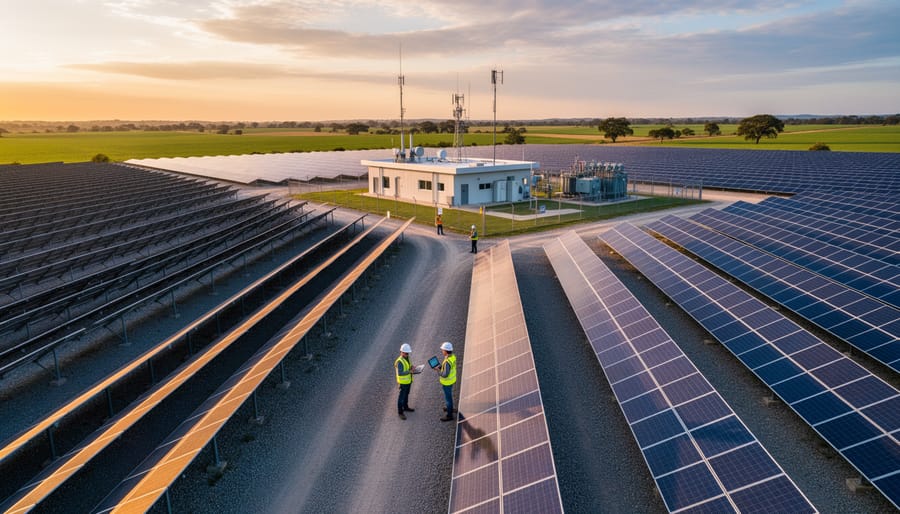
The right monitoring platform depends less on feature lists than on your hardware strategy and portfolio scale. Here is how we’d match each platform to the type of business we see most often.
- Residential installer standardized on one brand: Choose the manufacturer platform that matches your hardware, either Enphase Enlighten or SolarEdge Monitoring, so monitoring comes built into the ecosystem you already install.
- Contractor managing mixed-vendor commercial projects: Lean toward vendor-neutral AlsoEnergy PowerTrack, which avoids juggling separate dashboards for every inverter brand.
- Developer or asset owner with a large portfolio: Prioritize fleet-level visibility and alerting, since a comprehensive fleet management platform matters more than a simple smartphone app at that scale.
Residential installers committed to a single ecosystem gain the most from simplicity. Enphase pairs its monitoring with a 25-year warranty, which is a meaningful selling point when you’re talking to homeowners about long-term support. The trade-off is lock-in. If you ever diversify hardware, you’ll be managing more than one system.
Commercial contractors and developers face a different problem. Mixed equipment across sites makes a single view of performance far more valuable, and with unmonitored systems losing up to 20% of potential production to undetected issues, that visibility pays for itself. Fleet owners should also weigh predictive maintenance and analytics depth as portfolios grow.
Before you decide, run through this short checklist:
– Do you install one hardware brand or several?
– How many sites will you monitor, now and in two years?
– Do you need fleet-level reporting or just per-system dashboards?
– Is long-term warranty coverage part of your customer pitch?
Compatibility and availability can change, so we can’t confirm them for you here. Request a demo from each vendor and verify current compatibility with your equipment before you commit.
Solar Monitoring FAQs
What is a solar monitoring system?
It’s the hardware and software layer that tracks how a PV system performs, showing real-time production and supporting energy management. The tools range from simple smartphone apps to full fleet management platforms built for commercial installations.
How much energy can an unmonitored system lose?
Unmonitored systems can lose up to 20% of their potential energy production to undetected issues and suboptimal performance. Without alerts, a failing string or underperforming inverter can go unnoticed for long stretches.
Is vendor-neutral monitoring worth it?
It can be for mixed-hardware, commercial, or fleet portfolios, where a single dashboard across brands matters more than ecosystem fit. If you install one manufacturer’s equipment exclusively, that manufacturer’s own platform is often the simpler path.
Can monitoring integrate with smart home ecosystems?
Modern monitoring solutions can include smart home integration alongside AI-powered analytics and predictive maintenance. Confirm which integrations a specific platform supports with the vendor before you commit.
A small residential system is a fair question that deserves its own answer. Even a modest array benefits from monitoring, since real-time tracking is now considered an essential part of modern PV systems. A basic app may be all a homeowner needs, while a contractor managing many sites needs far more depth.
Whatever platform you shortlist, confirm current compatibility and availability directly with each vendor, because those details change. Monitoring also rarely sits alone. If you’re building out the broader software stack for field and asset operations, our guide on how to choose asset software is a useful companion to this comparison.
The right monitoring platform is the one that matches your hardware strategy and the scale of your portfolio. If you install within a single manufacturer’s ecosystem, Enphase Enlighten or SolarEdge Monitoring will likely cover your needs. If you manage mixed hardware across commercial sites or a growing fleet, vendor-neutral AlsoEnergy PowerTrack deserves a serious look.
Treat monitoring as part of long-term system performance, not an add-on. With unmonitored systems losing up to 20% of potential production to undetected issues, visibility pays for itself in what it helps you catch. In our review of these platforms, the biggest differences came down to ecosystem fit and fleet visibility rather than any single feature.
Before you commit, confirm compatibility and pricing directly with each vendor, since those details vary by project and change over time. Ask for demos, test them against your actual equipment, and choose the platform that will still serve you as your portfolio grows.